How Better Website Design Increases eCommerce Sales
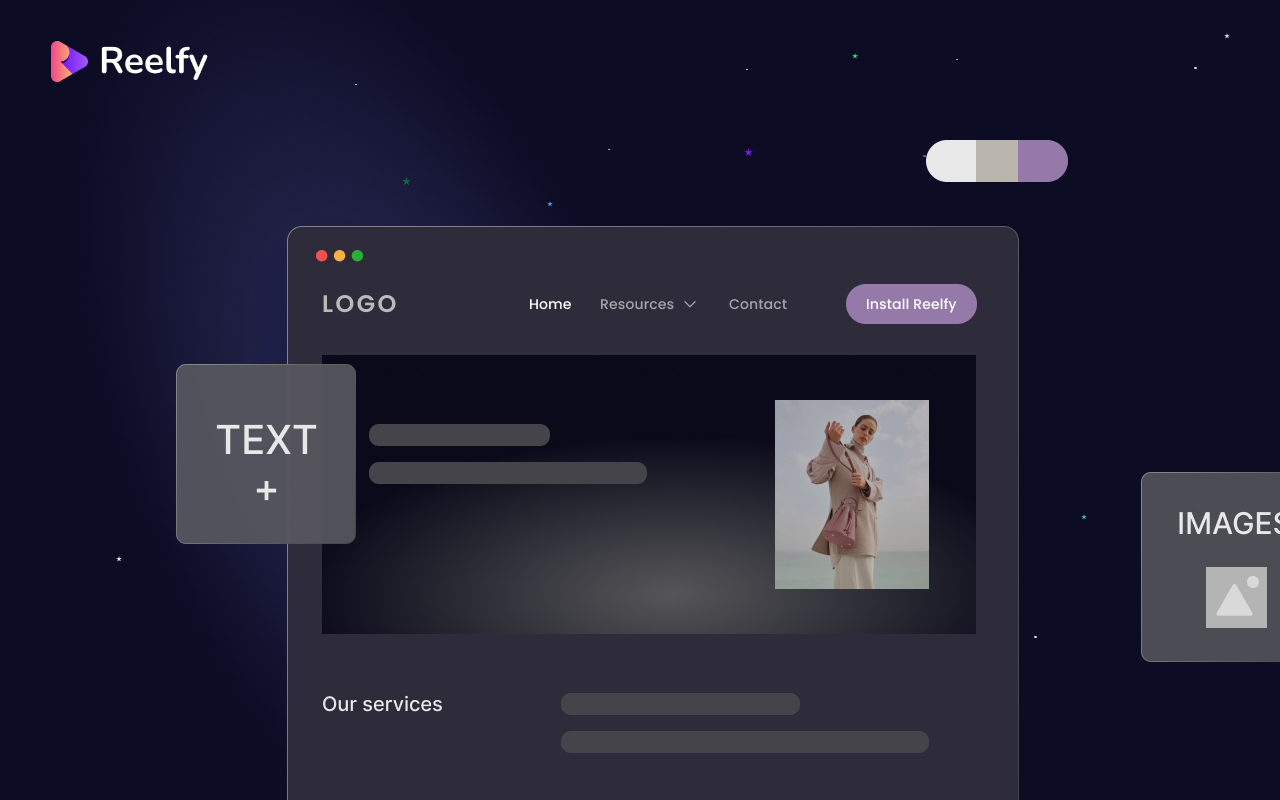
Your website design affects how shoppers feel, trust, and buy. Learn how better design choices can improve engagement, reduce friction, and increase conversions for your online store.
Have you ever landed on an online store and instantly felt unsure about buying?
Maybe the layout looked messy. Maybe the product pages felt confusing. Maybe the colors, fonts, or images made the site feel outdated.
Most shoppers make decisions very quickly.
If your website feels hard to use or untrustworthy, many visitors will leave before adding anything to cart.
That is why website design matters.
Good design is not just about looking “pretty.” It is about helping shoppers feel comfortable, confident, and ready to buy.
Why Website Design Matters
Your website is your digital storefront.
Just like a physical retail store, first impressions matter.
A clean, modern design helps shoppers:
- Trust your brand
- Browse products easily
- Find information faster
- Stay on your site longer
- Complete purchases more confidently
But poor design creates friction.
When pages feel cluttered, confusing, or outdated, shoppers often leave without buying.
The Biggest Design Problems That Hurt Conversions
1. Cluttered Layouts
Too many banners, popups, colors, and sections can overwhelm visitors.
When shoppers feel overloaded with information, they stop paying attention.
Better approach:
- Keep layouts clean
- Use more spacing
- Focus attention on key products and CTAs
- Reduce unnecessary elements
Simple designs often convert better.
2. Weak Product Pages
Product pages are where buying decisions happen.
If product pages look messy or incomplete, customers hesitate.
Better approach:
- Use high-quality product images
- Keep product descriptions easy to scan
- Make pricing clear
- Display reviews and trust signals
- Keep the Add to Cart button visible
Good product pages reduce uncertainty.
3. Poor Mobile Design
Most eCommerce traffic now comes from phones.
If your mobile experience feels frustrating, conversions drop quickly.
Better approach:
- Use mobile-friendly layouts
- Make buttons easy to tap
- Increase text readability
- Simplify navigation
- Reduce mobile clutter
Mobile-first design matters more than ever.
4. Confusing Navigation
Shoppers should be able to find products quickly.
Complicated menus and unclear categories create frustration.
Better approach:
- Keep navigation simple
- Use clear category names
- Add a visible search bar
- Organize collections logically
The easier your store feels to browse, the more likely shoppers are to stay.
5. Inconsistent Branding
Inconsistent colors, fonts, or visuals can make a store feel unprofessional.
Strong branding builds trust and recognition.
Better approach:
- Use consistent colors and typography
- Maintain a clear visual style
- Keep branding cohesive across all pages
Consistency helps your store feel more reliable.
How Design Builds Trust
Shoppers often judge your business within seconds.
If your site looks outdated or difficult to use, customers may worry about:
- Product quality
- Payment security
- Shipping reliability
- Customer service
But when your design feels clean and modern, shoppers feel safer buying from you.
Good design creates confidence.
Confidence increases conversions.
The Role of Visual Content
Strong visuals help customers understand products faster.
This includes:
- Product photography
- Lifestyle images
- Videos
- User-generated content (UGC)
Visual content helps shoppers imagine using your products in real life.
That emotional connection can improve conversion rates.
Using Shoppable Video Without Hurting UX
Video can increase engagement and product understanding.
But heavy or distracting video experiences can also hurt performance.
A better approach includes:
- Showing a poster image first
- Loading video only after interaction
- Using mobile-friendly vertical videos
- Keeping video sections clean and lightweight
This creates a smoother shopping experience while still increasing engagement.
Want to see a modern shoppable video experience in action?
Quick Design Improvements That Can Increase Conversions
You do not need a full redesign to improve results.
Start with these simple updates:
- Simplify your homepage
- Improve product page layouts
- Increase spacing between sections
- Use higher-quality product images
- Make CTAs more visible
- Reduce unnecessary popups
- Improve mobile usability
Even small design improvements can create noticeable conversion gains.
How Better Design Increases Revenue
Let’s keep the math simple.
Your store gets 20,000 monthly visitors.
Your conversion rate is 2%.
Your average order value is $80.
Monthly revenue:
20,000 × 2% × $80 = $32,000
Now imagine your improved website design increases conversion rate from 2% to 2.5%.
New revenue:
20,000 × 2.5% × $80 = $40,000
That is an extra $8,000 per month from a better shopping experience.
Shopify Tips for Better Website Design
If you use Shopify:
- Keep your theme updated
- Remove unnecessary apps and widgets
- Use consistent branding
- Optimize your mobile layout
- Improve your product photography
- Test your store regularly on real devices
Small design updates over time can significantly improve conversions.
Final Word
Website design is not just about aesthetics.
It directly affects how shoppers feel when using your store.
A clean, modern, and easy-to-use design helps customers trust your brand, explore products comfortably, and complete purchases more confidently.
Better design creates smoother shopping experiences — and smoother experiences lead to more sales.
Want to improve your store with engaging shoppable video?

Tinh PX
administratorFrom the Customer Care Department