How Page Speed Impacts Sales
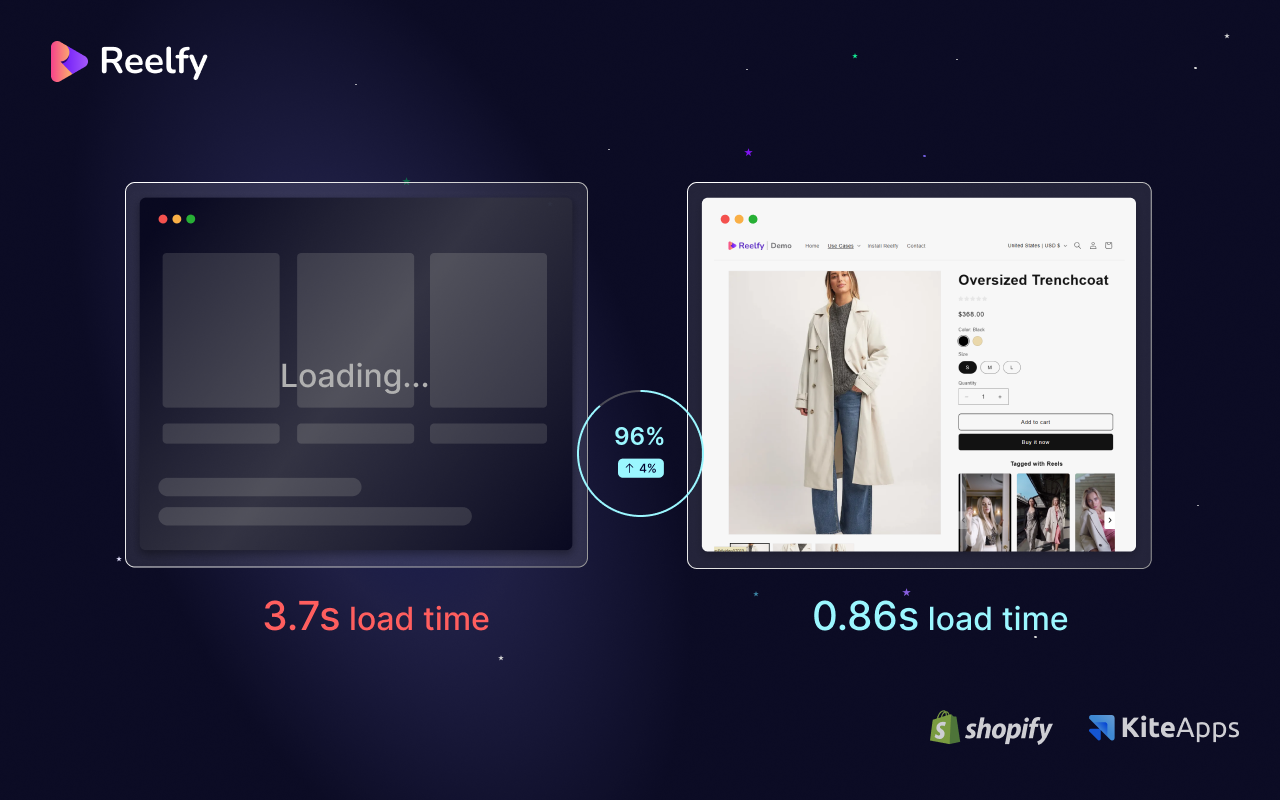
Slow websites lose customers. Learn how improving page speed can boost engagement, lower bounce rates, and increase sales for your online store.
Have you ever opened a website and waited so long that you simply left?
Most shoppers do exactly that.
When a page loads slowly, people lose patience. They leave before viewing products, adding items to cart, or completing checkout.
That is why page speed matters.
Page speed is how quickly your website loads and becomes usable. Faster websites create smoother shopping experiences, build trust, and help increase conversions.
Why Page Speed Matters
A slow website hurts sales in several ways:
- Visitors leave quickly
- Bounce rates increase
- Checkout completion drops
- Ads become less efficient
- Customers trust your brand less
But even small speed improvements can make a big difference.
When pages load faster, shoppers stay longer, browse more products, and buy more often.
Common Causes of Slow eCommerce Stores
1. Large Images
Heavy images are one of the biggest reasons stores load slowly.
Fixes:
- Compress images
- Use WebP or AVIF formats
- Resize images properly for mobile and desktop
- Lazy-load images below the fold
2. Too Many Apps and Scripts
Extra apps often add heavy JavaScript to your store.
Fixes:
- Remove unused apps
- Defer non-critical scripts
- Reduce unnecessary animations and effects
3. Slow Mobile Experience
Most shoppers browse on phones.
If your mobile pages are heavy, customers leave quickly.
Fixes:
- Keep pages lightweight
- Reduce popups
- Simplify layouts
- Optimize mobile images
4. Poor Hosting and No Caching
Slow servers increase loading time for every visitor.
Fixes:
- Use reliable hosting
- Enable browser caching
- Use a CDN to deliver files faster worldwide
How Shoppable Video Affects Speed
Video can improve conversions by helping shoppers understand products faster.
But poorly optimized video can slow pages dramatically.
A smarter setup includes:
- Showing a poster image first
- Loading video only after interaction
- Lazy-loading video sections
- Using lightweight embeds
This keeps pages fast while still giving shoppers an engaging experience.
Quick Wins to Improve Page Speed
You do not need a full rebuild to make improvements.
Start with these simple steps:
- Compress large images
- Remove unused apps
- Defer non-critical JavaScript
- Lazy-load below-the-fold content
- Preload your hero image
- Test your mobile pages regularly
Small changes can create noticeable speed gains.
How Faster Speed Increases Revenue
Let’s keep the math simple.
Your store gets 20,000 monthly visitors.
Your conversion rate is 2.2%.
Your average order value is $80.
Monthly revenue:
20,000 × 2.2% × $80 = $35,200
Now imagine your faster website improves conversion rate from 2.2% to 2.8%.
New revenue:
20,000 × 2.8% × $80 = $44,800
That is an extra $9,600 per month from a better shopping experience.
Shopify Tips for Better Speed
If you use Shopify:
- Remove apps you no longer use
- Compress product images
- Avoid heavy sliders and animations
- Use lightweight video embeds
- Keep your theme updated
- Test page speed after every major change
Even a few optimizations can noticeably improve performance.
Final Word
Page speed is not just technical optimization.
It directly affects how shoppers feel when using your store.
Fast websites create smoother experiences, stronger trust, and higher conversions.
When your pages load quickly, customers stay longer and buy more.
Want to improve your store with fast-loading shoppable video?

Tinh PX
administratorFrom the Customer Care Department